
平安時代の結婚制度
Marriage Systems in the Heian Era

源氏物語を理解するには、平安時代の結婚制度を知ることが大切です。この時代の結婚は現代とは全く違うので驚くこともありますが、それが面白いところでもあります。
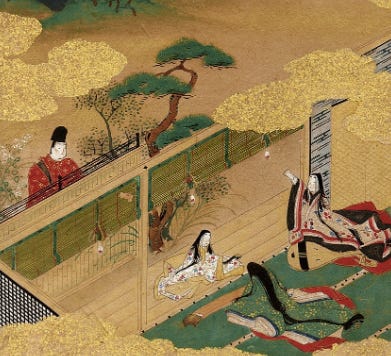
平安時代の結婚では、「通い婚(かよいこん)」という、夫が妻の家に通う形が一般的でした。一夫多妻制(いっぷたさいせい)だったため、夫は毎日同じ妻に会うわけではありません。身分が高い人ほど妻の数が多かったといわれています。もし子どもができたり、夫が頻繁に妻の家に通うようになると、正式な結婚と認められることもありました。子どもは母親の家で育てられるのが普通だったため、妻の家の地位や影響力が夫婦の関係にも大きく影響しました。
正妻(正式な妻)は高い身分の家の女性であることが多く、政治的な理由で結婚することもありました。源氏物語の中にも、現代の私たちには信じられないような慣習が登場します。その一つが「夜這い(よばい)」です。これは、男性が夜に女性の家に忍び込み、関係を持つというものでした。
たとえば、美しい女性がいるという噂を聞いた男性が、自分の身分を隠したまま女性のもとに行き、お互いの顔を見せることもないまま関係を持つこともあったそうです。このようなことは現代では犯罪ですが、当時は特に珍しいことではありませんでした。女性に選ぶ権利はなく、その後のフォローが重要でした。たとえば、男性は手紙や贈り物を送って愛情や感謝を伝えました。この手紙を「後朝の文(きぬぎぬのふみ)」といいます。
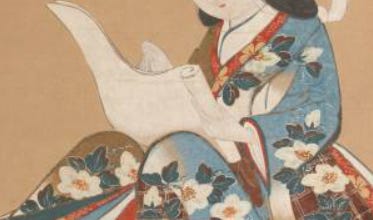
後朝の文には、相手への気遣いや愛情が書かれていました。この手紙を送らないと、女性が男性の気持ちを疑ったり、関係が終わることもありました。また、手紙が届くスピードも重要でした。早ければ早いほど、「あなたのことを愛している」という意思表示になったのです。今と同じように、この時代の恋愛もいろいろと大変だったのですね。
単語帳-Vocabulary
結婚(けっこん) – Marriage
夫(おっと) – Husband
妻(つま) – Wife
手紙(てがみ) – Letter
話(はなし) – Story, conversation
身分(みぶん) – Social status
制度(せいど) – System
関係(かんけい) – Relationship
正式(せいしき) – Formal, official
地位(ちい) – Status, position
影響(えいきょう) – Influence
慣習(かんしゅう) – Custom
贈り物(おくりもの) – Gift
気持ち(きもち) – Feelings
重要(じゅうよう) – Important
Translation
To understand The Tale of Genji, it is essential to know about the marriage system of the Heian period. Marriages during this era were completely different from those of today, which may surprise you, but that’s also what makes it fascinating.
In the Heian period, a marriage style called kayoi-kon (visiting marriage), where the husband would visit the wife’s home, was common. Since it was a polygynous society, husbands did not necessarily visit the same wife every day. It is said that men of higher status tended to have more wives. If a wife gave birth to a child or if the husband frequently visited her house, the relationship might be recognized as an official marriage. Children were typically raised in their mother’s household, which meant the status and influence of the wife’s family significantly affected the relationship between husband and wife.
The seisai (official wife) was often a woman from a high-ranking family, and marriages were frequently arranged for political reasons. In The Tale of Genji, customs that seem unimaginable to us today also appear. One such custom is yobai (night crawling), where a man would secretly visit a woman’s house at night to initiate a relationship.
For example, a man who heard rumors about a beautiful woman might visit her while concealing his identity. It was not uncommon for them to engage in a relationship without ever seeing each other’s faces. While this behavior would be considered a crime today, it was not unusual at the time. Women had no right to choose, and what happened afterward was crucial. For instance, men would send letters or gifts to express their affection and gratitude. These letters were called kinuginu no fumi (morning-after letters).
In these letters, men would write words of consideration and affection for their partner. Failing to send such a letter could make the woman doubt the man’s feelings or even end the relationship. The speed at which the letter was delivered was also important—the quicker the delivery, the stronger the indication of love and devotion. Just like today, romantic relationships in this era were full of challenges, weren’t they?